
April 9 – 19, 2027
Invited speakers
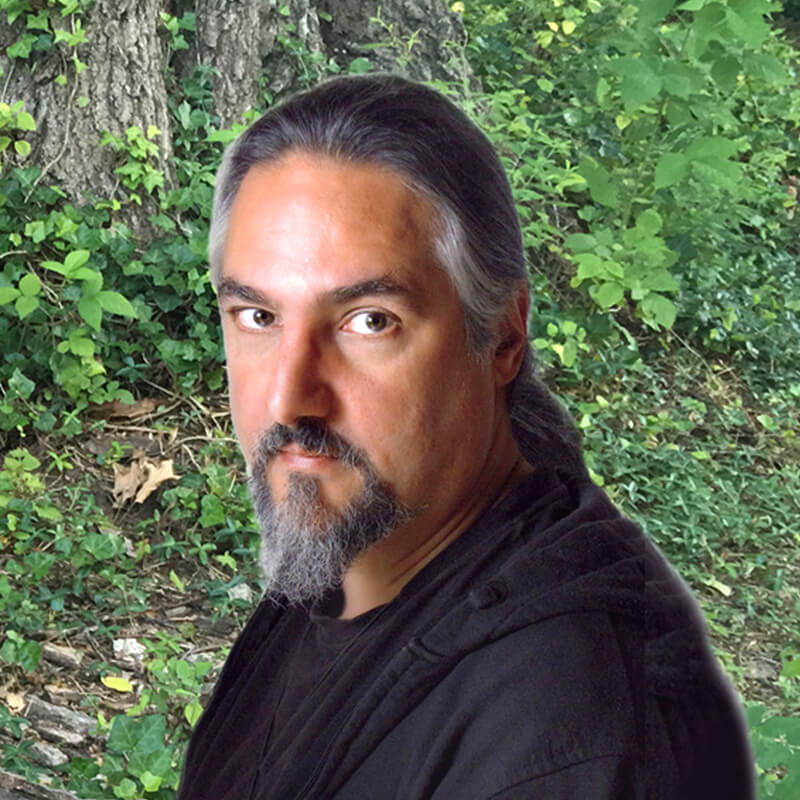
Laurence Caruana, Artist, Writer and Lecturer
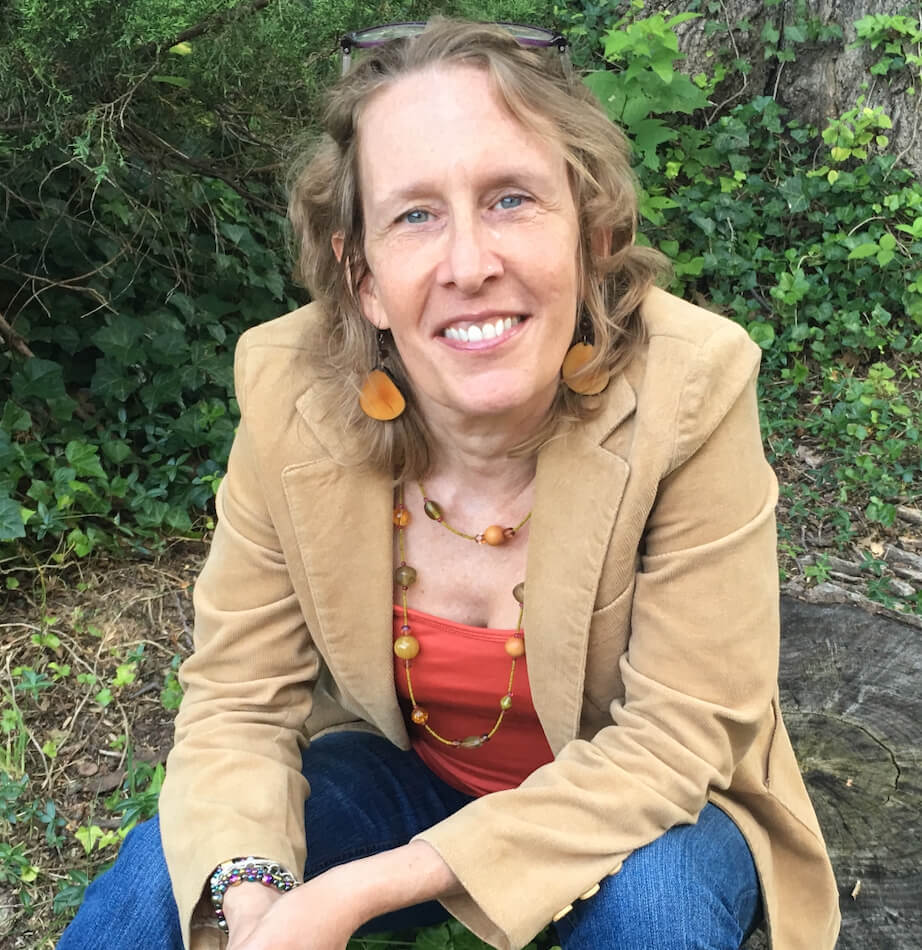
Rebecca A. Wilkinson, Licensed Professional Counselor, Art Therapist
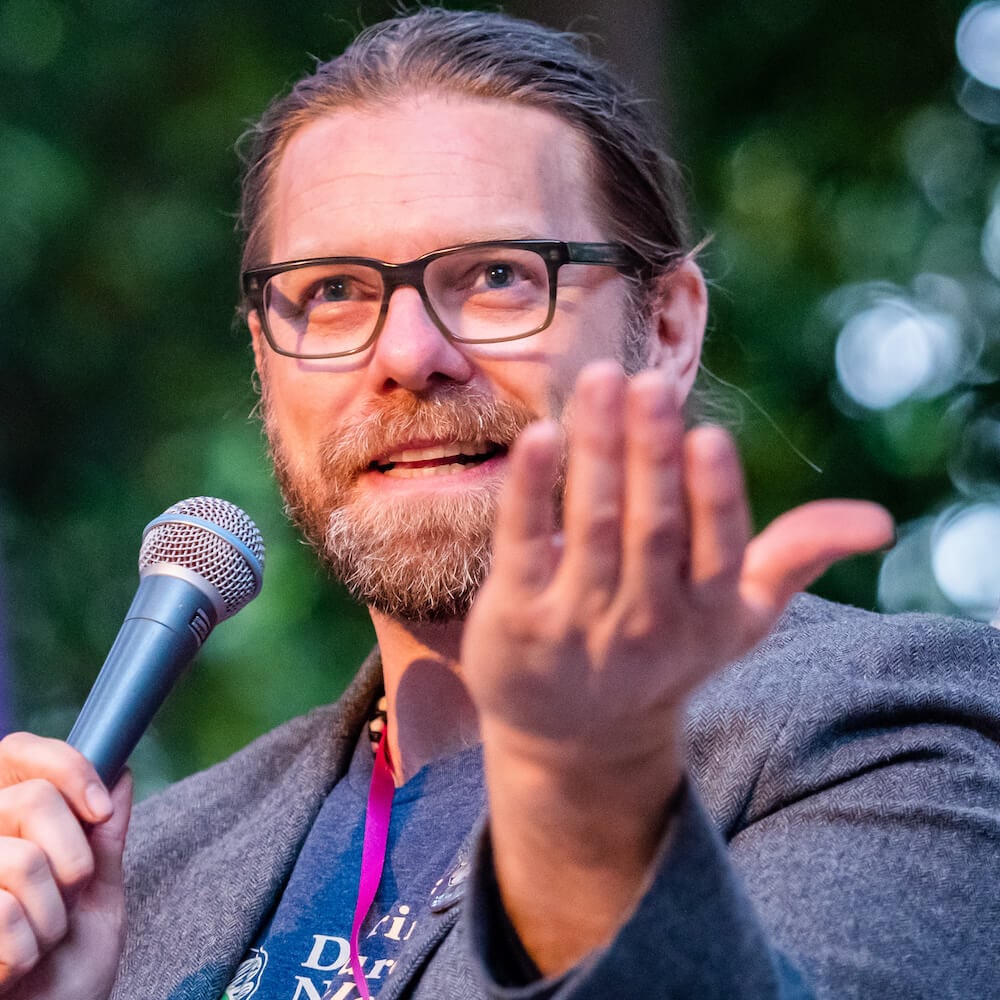
Larry Norris, PhD – California Institute of Integral Studies (CIIS)
Organizers
Adriana Rosa, Cultural Producer
Luis Eduardo Luna, Anthropologist
Laurence Caruana:
Biography
Laurence Caruana is an artist, writer and lecturer best known for his contribution to the Visionary Art movement. A graduate of The University of Toronto, he earned a degree in Ancient Greek and German Philosophy before traveling across Asia, Europe and Central America to study their sacred art and traditions.
After apprenticing with the Viennese master Ernst Fuchs in Monaco, he began teaching classical techniques of painting (the Mischtechnik) in Italy, which led to his founding of The Vienna Academy of Visionary Art in Austria. Here, he served as principle lecturer and academy director for seven years, creating an innovative institution with studios, exhibition halls, craft ateliers and a cultural space to explore new modalities in soul healing.
As a painter, his highly-detailed works explore the interplay of myths, symbols & styles from different sacred traditions – seeking out history’s symbolic responses to ‘the eternal questions’ on time, the world’s creation, and the afterlife. As a result of his ongoing research into visionary experience, and he is often invited to speak at psychedelic conferences.
As a writer, L. Caruana has authored five books, including Sacred Codes, Enter Through the Image and The First Manifesto of Visionnary Art. The artist presently lives between Vienna Austria and Burgundy France, where he is developing a new project – The Apocryphon Chapel – which will depict the over-arching myth of Gnostic Christianity in fifteen large-scale paintings.
Lectures by Laurence Caruana:
Rebecca Wilkinson
Biography
Rebecca Wilkinson, LPC, LCPAT, ATR-BC, ITR-CTS, is a Licensed Professional Counselor, Art Therapist and educator. She is co-founder of the Psychedelic Art Therapy Network, co-author of the seminal article Psychedelic Art Therapy: The Intersection of Psychedelics, Creativity and Art Therapy, and teaches on the topic through the George Washington University (Washington, DC). Rebecca is also a practicing artist and author/illustrator of Coloring Creates Wellbeing: The Desert Mandalas Coloring Book.
She lives between Washington, DC with her twin sister and the Arizona Southwest with her husband and some cats. https://www.psychedelicarttherapynetwork.org/
Lectures by Rebecca Wilkinson:
Larry Norris
Biography
Larry Norris, PhD, earned his doctorate from the California Institute of Integral Studies (CIIS) in San Francisco, where he defended a dissertation on ayahuasca and archetypes of transformation utilizing reports from the Wasiwaska archive.
Larry serves as assistant director and teaches courses in the Master of Divinity Psychedelic Chaplaincy program at Starr King School for the Ministry. He is also co-founder and executive director of Entheogenic Research, Integration, and Education (ERIE) and Decriminalize Nature (DN). His work with DN focuses on advocating for the unalienable right to develop one’s own relationship with nature and supporting efforts to decriminalize entheogenic plants and fungi, which includes ayahuasca, iboga, cacti, and mushrooms.
He supports communities across the United States and internationally that are pursuing similar legislative initiatives.
Lectures by Larry Norris:
Adriana Rosa
Biography
Adriana Rosa is a cultural producer, an actress, and a theater and art educator. She has a Master in Cultural Management from Universidad Complutense de Madrid. Besides her work as an organizer of cultural events in the city of Florianópolis, she is the producer of the Wasiwaska seminars since its creation. Adriana is in charge of providing healthy and nutritious food for seminars, adapted, when necessary, to the needs of our participants. She is with Dale Millard in charge of Wasiwaska’s ethnobotanical garden.
Luis Eduardo Luna
Biography
Luis Eduardo Luna was born in Florencia, in the Colombian Amazon region (1947). He studied Philosophy and Literature at the Universidad Complutense de Madrid, earned an interdisciplinary Masters degree while teaching Spanish and Latin American Literature at the Department of Romance Languages of Oslo University. He is a former Senior Lecturer at the Swedish School of Economics, Helsinki, Finland, from where he retired in 2011, and a former Professor of Anthropology at the Federal University of Santa Catarina, Brazil (1994-1998).
He received a Ph.D. from the Institute of Comparative Religion at Stockholm University (1989), and an honorary doctorate from St. Lawrence University, Canton, New York (2000). He is currently an Honorary Research Fellow of the Department of Philosophy, Anthropology and Sociology of Exeter University, England.
Luna is a Guggenheim Fellow and Fellow of the Linnaean Society of London. He is the author of Vegetalismo: Shamanism Among the Mestizo Population of the Peruvian Amazon (1986), and with Pablo Amaringo of Ayahuasca Visions: The Religious Iconography of a Peruvian Shaman (1991). He is co-editor with Steven F. White of Ayahuasca Reader: Encounters with the Amazon’s Sacred Vine (2000, with a revised new edition in 2016), and co-author with Rick Strassman, Slawek Wojtowicz and Ede Frecska of Inner Paths to Outer Space: Journeys Through Psychedelics and Other Spiritual Technologies.
In 1986 he co-founded with Pablo Amaringo the Usko-Ayar Amazonian School of Painting of Pucallpa, Peru, serving as its Director of International Exhibitions until 1994. He has lectured about Amazonian shamanism and modified states of consciousness worldwide, and has curated exhibitions of visionary art in several countries. Luis Eduardo Luna is the Director of Wasiwaska.